Sound for Sleep
GOALS
Our team was tasked with designing a wireless earbud specifically for sleep, starting from scratch. The project was executed in multiple phases, ensuring a thorough exploration of form, function, and branding.
PHASE 1: ERGONOMIC FORM DEVELOPMENT
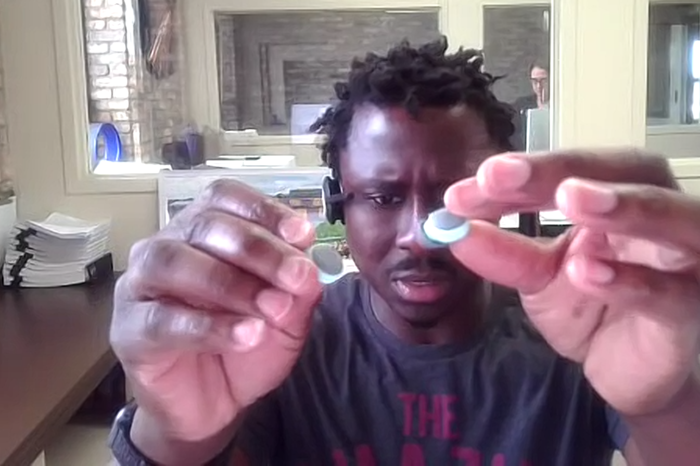
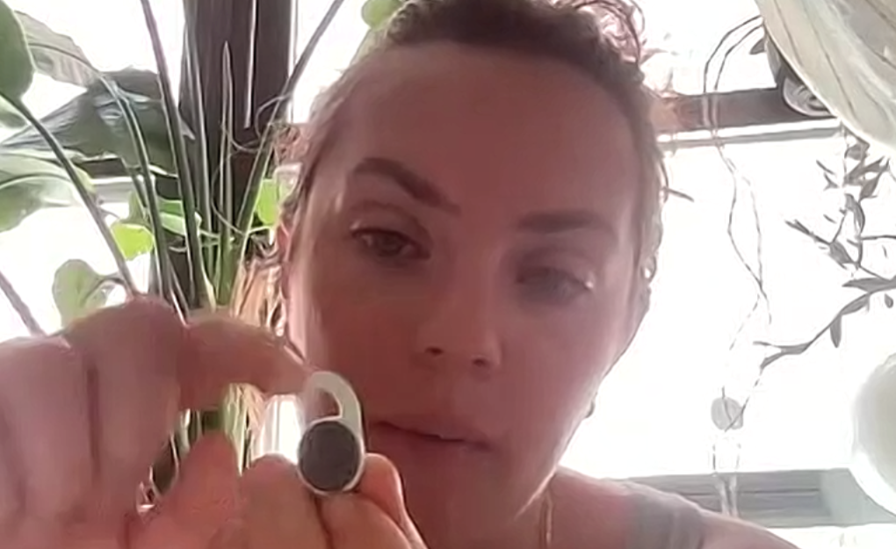
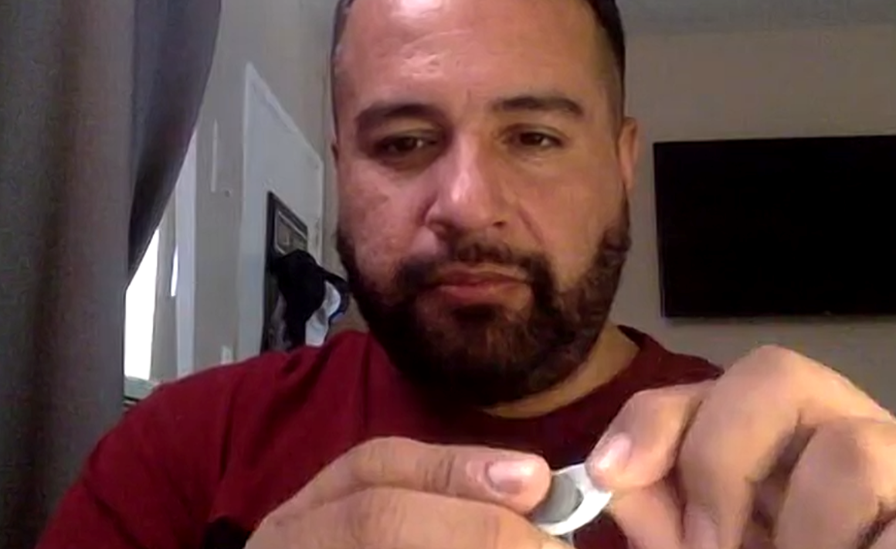
The first phase focused on designing and testing various earbud forms to determine which shape provided the highest level of comfort for the most participants. This stage involved:
Creating multiple form factors to test different ergonomic considerations.
Conducting user testing sessions to gather feedback on comfort and wearability.
Identifying the most universally comfortable design to serve as the foundation for further development.




PHASE 2: BRAND IDENTITY DEVELOPMENT
With the foundational design established, the second phase centered around defining the product's brand identity. This phase had several key objectives:
1. Product Name Evaluation
We selected four potential product names and tested them with participants:
Participants provided feedback on each name’s derivation, descriptors, and overall fit for a sleep-oriented product. The goal was to understand which name resonated most with users and best conveyed the product’s purpose.
2. Product Design Feedback
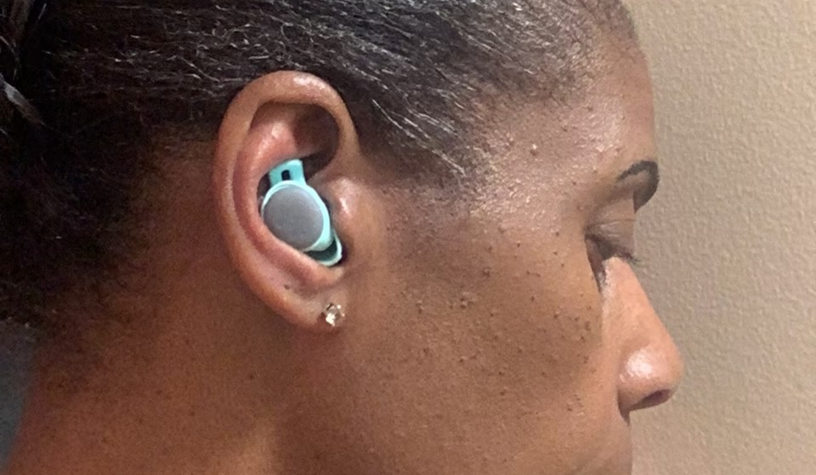
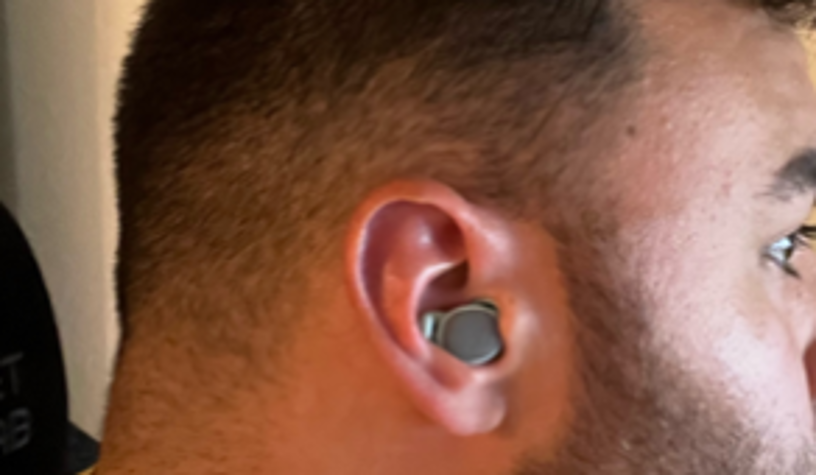
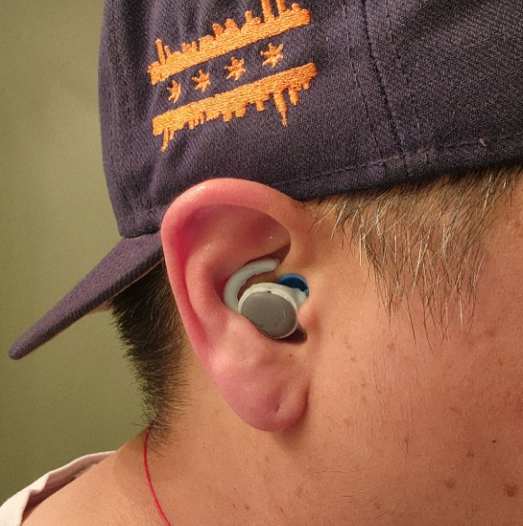
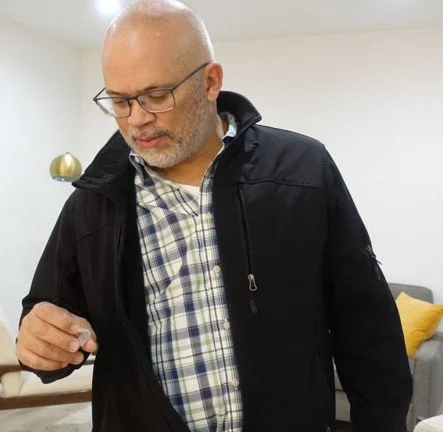
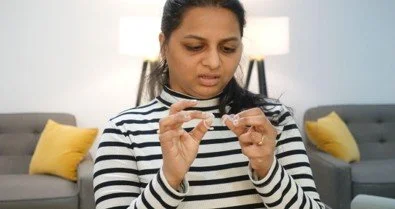
Four product design iterations were tested with participants. These iterations varied in aesthetics, material finishes, and minor ergonomic adjustments. Participants shared their preferences and perceptions of each design, helping refine the final product's look and feel.
3. Tagline and Advertising Testing
To craft a compelling market presence, we also tested taglines and advertising concepts with participants. Insights from this testing guided the selection of messaging that most effectively communicated the product’s benefits and appeal.
4. Identifying the Best-Suited Name
Through extensive user feedback, we determined which name best aligned with the product’s purpose, evoked the desired emotional connection, and was most memorable for potential customers.
PHASE 3: COMFORT & RETENTION TESTING
The third phase focused on evaluating the comfort and retention of the prototype earbuds during sleep. This phase aimed to answer key questions, including:
Was there any discomfort during sleep?
Was there any discomfort in the mornings?
Were the buds able to stay in the ear for the entire night?
Which buds were most successful for each sex?
Does sex and gender play a significant role in bud preference?
Participants provided insights on these aspects, helping refine the design to ensure the earbuds deliver maximum comfort and retention throughout the night.